Do long battery life watches support fast charging?
These devices that were once accessories for early adopters have become a part of daily routines. The continuation of this guide, including how to connect Withings scales to fitness apps, will empower you to fully integrate your health tracking devices, ensuring no data goes unnoticed in your fitness journey. While this is definitely a smartwatch first and foremost, the fitness tracking is polished and beginner-friendly.
Interactive Overview of Digital Health Policies
Onboarding is where most fitness apps either earn the user’s trust quickly or burn it permanently inside the first ninety seconds of the experience. Asking too many questions, demanding wearable connections too early or hiding the core value behind a paywall are the three most common mistakes teams make. Modern fitness app development now sits at the intersection of wearables, AI, live content and the kind of data hygiene that makes regulators relax instead of squint. Like all heart rate tracking technologies, accuracy is affected by physiology, location of device, and your movements and activity. Fitbit has always been committed to making great wearable technology that works for as many people as possible, through the right form factors and the right price points.
- AI genuinely improves the fitness app experience when it removes friction from common user actions and personalises recommendations in ways static rules cannot easily replicate.
- When founders ask me what they are actually paying for during fitness mobile app development, I usually grab a whiteboard and sketch out a stack that nobody puts on agency websites cleanly.
- Ahead, see our top picks for the best fitness trackers and smartwatches of 2026.
- Many cheap smartwatches include IP67 or 5ATM ratings, making them resistant to rain, sweat, and brief immersion, ideal for workouts or light swimming.
- Please select your country below so we can display the correct prices, delivery times, and delivery costs for your location.
- Skipping this means frustrating users faster than you can say “sync failed.”
Industries actively using wearable apps include healthcare, fitness, outdoor navigation, and education. For example, doctors use medical wearables for remote monitoring, while fitness apps track workouts, and AR/VR wearables support immersive learning. Wearable technology has many practical uses across health, fitness, and entertainment. These devices blend into daily life while offering useful data or experiences. From smart patches on the skin to fitness trackers and gaming headsets, their applications are broad and growing. Fitness trackers measure various physical activity metrics, including heart rate, sleep patterns, steps taken, calories burnt, etc.
Measures How Stress Impacts You Over Time
In today’s rapidly evolving world of wellness and fitness services, the role of the Fitness Product Manager is becoming increasingly intertwined with innovative technologies. With the rise of wearable technology and its integration with fitness apps, the landscape of personalized health and exercise tracking is being revolutionized by actionable business intelligence and data analytics. Additionally, the shift toward holistic health monitoring, including mental wellness tracking, is influencing product innovation.
Best Value Fitness Tracker
Every API provider uses a different permission logic, updates policies over time, and structures health metrics differently. Development teams need to plan for ongoing maintenance and account for integration overhead. It integrates third-party apps and Android smartphones into a single environment. This is a huge advantage for businesses as they can reach a wider audience thanks to its broad device coverage. The Activity Recognition API, a tool that detects and classifies different types of physical movements, makes it easier to identify motions like cycling, running, and walking.
Immersive Workplace & XR Tech
We added new testing photos of other noteworthy fitness watches in addition to our seven winners, including the Apple Watch Series 10, the Samsung Galaxy Watch8 and the Coros Pace 3. We’ve included a table comparing key features of our top recommendations, and we add the newest versions of the Apple Watch and Samsung Galaxy Watch to our guide. Forbes Vetted ratings are based on thorough evaluations by our editorial team to help you choose the best products with confidence. Join the industry’s top fitness and wellness leaders in New York City. Be the first to hear about new products, get product updates, exclusive offers, athlete stories, and more when you join our email mailing list. Built as the entry point to structured training, for athletes building routine, discipline, and momentum.
Privacy and compliance work feels expensive during the build and pays back enormously the first time a regulator or enterprise customer asks pointed questions about your data practices. Getting GDPR readiness, HIPAA scope decisions and clear privacy disclosures right from day one is meaningfully cheaper than retrofitting them after launch. Wearable strategy and AI architecture both need to be settled before the engineering team writes the first meaningful pull request for the application. Trying to retrofit Apple Watch sync or AI coaching into a codebase designed without them is equivalent to adding a basement to a house already standing. Discovery is the cheapest phase to invest in properly and the most expensive phase to skip across every project I have followed shipping a fitness product. A two-week discovery phase costing ten to fifteen thousand dollars will routinely save four to twelve weeks of expensive rework during the build cycle later.
Fitbit just launched the Fitbit Air, a tiny and affordable tracker that monitors your health 24/7. It doesn’t have a screen, so it stays out of your way while tracking things like your heart rate and sleep. You can check all your stats and get personalized advice through the Google Health app on your phone. It’s super comfortable to wear and comes with different bands to match your style. As wearable technology becomes more pervasive, regulatory considerations and ethical concerns come to the forefront. The collection and analysis of sensitive health data impose a responsibility on fitness product managers to maintain the highest standards of data privacy and transparency.
Transform healthcare with IoT remote patient monitoring
For everyday wear and impressive health and wellness tracking, the Apple Watch Series 11 boasts the best variety of health metric tracking. Its versatile sensors deliver solid activity, heart rate and sleep insights while the watch’s durable, customizable design makes it easy to wear from work to workouts to weekends. By coupling wearable technology with fitness apps, product managers can create a holistic ecosystem that not only tracks progress but also provides recommendations, challenges, and personalized content. As the technologies advance, the potential for offering predictive analytics and real-time feedback grows exponentially, further embedding business intelligence at the core of fitness solutions. Apple Watch has become one of the most powerful wearable devices for tracking fitness and health. When paired with the right fitness apps, it can provide real-time workout data, progress tracking, and valuable health insights.
7 Activity Tracking
To creating built‑in features that make Apple products accessible to all. These tools make entertainment interactive, fun, and engaging, blurring the line between the digital and physical worlds. This might be a vibration reminding you to stand, a notification about an irregular heartbeat, or progress updates during exercise. Together, sensors, processors, and connectivity create a smooth loop of tracking, analyzing, and guiding. Discover how an app could take your work further and join a global community that is transforming health through technology. A connected health device company offering smart scales, sleep analyzers, and watches.
Once seen as mainly focused on product development and market trends, today’s managers are also expected to leverage business intelligence and data analytics to steer product innovation. In this context, the burgeoning world of wearable technology creates an opportunity to develop tailored fitness applications that track, analyze, and predict user behavior. Open Wearables provides a unified API and developer portal to connect and sync data from multiple wearable devices and fitness platforms. To find the best fitness trackers, I tested more than 15 models over the course of a year. I wore each device 24/7 for multiple weeks at a time, often back-to-back or side-by-side, to compare the accuracy of metrics like heart rate, recovery, step count, and sleep quality in real-world use.
The Hybrid Path Smart Founders Quietly Pick
This approach immediately positions the product as not only a tool for fitness tracking but also as a catalyst for proactive wellness management. Most development teams benefit more from unified platforms that handle the complexity of wearable integration while providing broader device support. Wearable device integration transforms wellness apps from basic activity trackers into comprehensive health platforms enabling continuous monitoring, chronic disease management, and insurance-reimbursed remote care. Yes, most fitness apps support integration with other apps and devices, allowing you to consolidate your health data in one place.
We’d be happy to give you a quick intro on how you can leverage Spike Health 360 API.We have same-day or next-day slots available. An outdoor navigation app that provides personalized route planning, offline maps, and turn-by-turn guidance to help cyclists, hikers, and adventurers explore with confidence. A fitness platform featuring live and on-demand classes across cycling, strength, yoga, and more. A leading continuous glucose monitoring system used primarily by people with diabetes.
Tech Choices That Actually Work
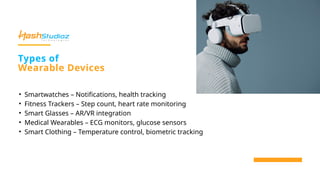
Wearable technology is no longer just about fitness bands or smartwatches. It has grown into a wide range of tools that support health, safety, and convenience. From tracking sleep to monitoring heart activity, these devices turn daily routines into valuable insights.
]]>Do long battery life watches support fast charging?
These devices that were once accessories for early adopters have become a part of daily routines. The continuation of this guide, including how to connect Withings scales to fitness apps, will empower you to fully integrate your health tracking devices, ensuring no data goes unnoticed in your fitness journey. While this is definitely a smartwatch first and foremost, the fitness tracking is polished and beginner-friendly.
Interactive Overview of Digital Health Policies
Onboarding is where most fitness apps either earn the user’s trust quickly or burn it permanently inside the first ninety seconds of the experience. Asking too many questions, demanding wearable connections too early or hiding the core value behind a paywall are the three most common mistakes teams make. Modern fitness app development now sits at the intersection of wearables, AI, live content and the kind of data hygiene that makes regulators relax instead of squint. Like all heart rate tracking technologies, accuracy is affected by physiology, location of device, and your movements and activity. Fitbit has always been committed to making great wearable technology that works for as many people as possible, through the right form factors and the right price points.
- AI genuinely improves the fitness app experience when it removes friction from common user actions and personalises recommendations in ways static rules cannot easily replicate.
- When founders ask me what they are actually paying for during fitness mobile app development, I usually grab a whiteboard and sketch out a stack that nobody puts on agency websites cleanly.
- Ahead, see our top picks for the best fitness trackers and smartwatches of 2026.
- Many cheap smartwatches include IP67 or 5ATM ratings, making them resistant to rain, sweat, and brief immersion, ideal for workouts or light swimming.
- Please select your country below so we can display the correct prices, delivery times, and delivery costs for your location.
- Skipping this means frustrating users faster than you can say “sync failed.”
Industries actively using wearable apps include healthcare, fitness, outdoor navigation, and education. For example, doctors use medical wearables for remote monitoring, while fitness apps track workouts, and AR/VR wearables support immersive learning. Wearable technology has many practical uses across health, fitness, and entertainment. These devices blend into daily life while offering useful data or experiences. From smart patches on the skin to fitness trackers and gaming headsets, their applications are broad and growing. Fitness trackers measure various physical activity metrics, including heart rate, sleep patterns, steps taken, calories burnt, etc.
Measures How Stress Impacts You Over Time
In today’s rapidly evolving world of wellness and fitness services, the role of the Fitness Product Manager is becoming increasingly intertwined with innovative technologies. With the rise of wearable technology and its integration with fitness apps, the landscape of personalized health and exercise tracking is being revolutionized by actionable business intelligence and data analytics. Additionally, the shift toward holistic health monitoring, including mental wellness tracking, is influencing product innovation.
Best Value Fitness Tracker
Every API provider uses a different permission logic, updates policies over time, and structures health metrics differently. Development teams need to plan for ongoing maintenance and account for integration overhead. It integrates third-party apps and Android smartphones into a single environment. This is a huge advantage for businesses as they can reach a wider audience thanks to its broad device coverage. The Activity Recognition API, a tool that detects and classifies different types of physical movements, makes it easier to identify motions like cycling, running, and walking.
Immersive Workplace & XR Tech
We added new testing photos of other noteworthy fitness watches in addition to our seven winners, including the Apple Watch Series 10, the Samsung Galaxy Watch8 and the Coros Pace 3. We’ve included a table comparing key features of our top recommendations, and we add the newest versions of the Apple Watch and Samsung Galaxy Watch to our guide. Forbes Vetted ratings are based on thorough evaluations by our editorial team to help you choose the best products with confidence. Join the industry’s top fitness and wellness leaders in New York City. Be the first to hear about new products, get product updates, exclusive offers, athlete stories, and more when you join our email mailing list. Built as the entry point to structured training, for athletes building routine, discipline, and momentum.
Privacy and compliance work feels expensive during the build and pays back enormously the first time a regulator or enterprise customer asks pointed questions about your data practices. Getting GDPR readiness, HIPAA scope decisions and clear privacy disclosures right from day one is meaningfully cheaper than retrofitting them after launch. Wearable strategy and AI architecture both need to be settled before the engineering team writes the first meaningful pull request for the application. Trying to retrofit Apple Watch sync or AI coaching into a codebase designed without them is equivalent to adding a basement to a house already standing. Discovery is the cheapest phase to invest in properly and the most expensive phase to skip across every project I have followed shipping a fitness product. A two-week discovery phase costing ten to fifteen thousand dollars will routinely save four to twelve weeks of expensive rework during the build cycle later.
Fitbit just launched the Fitbit Air, a tiny and affordable tracker that monitors your health 24/7. It doesn’t have a screen, so it stays out of your way while tracking things like your heart rate and sleep. You can check all your stats and get personalized advice through the Google Health app on your phone. It’s super comfortable to wear and comes with different bands to match your style. As wearable technology becomes more pervasive, regulatory considerations and ethical concerns come to the forefront. The collection and analysis of sensitive health data impose a responsibility on fitness product managers to maintain the highest standards of data privacy and transparency.
Transform healthcare with IoT remote patient monitoring
For everyday wear and impressive health and wellness tracking, the Apple Watch Series 11 boasts the best variety of health metric tracking. Its versatile sensors deliver solid activity, heart rate and sleep insights while the watch’s durable, customizable design makes it easy to wear from work to workouts to weekends. By coupling wearable technology with fitness apps, product managers can create a holistic ecosystem that not only tracks progress but also provides recommendations, challenges, and personalized content. As the technologies advance, the potential for offering predictive analytics and real-time feedback grows exponentially, further embedding business intelligence at the core of fitness solutions. Apple Watch has become one of the most powerful wearable devices for tracking fitness and health. When paired with the right fitness apps, it can provide real-time workout data, progress tracking, and valuable health insights.
7 Activity Tracking
To creating built‑in features that make Apple products accessible to all. These tools make entertainment interactive, fun, and engaging, blurring the line between the digital and physical worlds. This might be a vibration reminding you to stand, a notification about an irregular heartbeat, or progress updates during exercise. Together, sensors, processors, and connectivity create a smooth loop of tracking, analyzing, and guiding. Discover how an app could take your work further and join a global community that is transforming health through technology. A connected health device company offering smart scales, sleep analyzers, and watches.
Once seen as mainly focused on product development and market trends, today’s managers are also expected to leverage business intelligence and data analytics to steer product innovation. In this context, the burgeoning world of wearable technology creates an opportunity to develop tailored fitness applications that track, analyze, and predict user behavior. Open Wearables provides a unified API and developer portal to connect and sync data from multiple wearable devices and fitness platforms. To find the best fitness trackers, I tested more than 15 models over the course of a year. I wore each device 24/7 for multiple weeks at a time, often back-to-back or side-by-side, to compare the accuracy of metrics like heart rate, recovery, step count, and sleep quality in real-world use.
The Hybrid Path Smart Founders Quietly Pick
This approach immediately positions the product as not only a tool for fitness tracking but also as a catalyst for proactive wellness management. Most development teams benefit more from unified platforms that handle the complexity of wearable integration while providing broader device support. Wearable device integration transforms wellness apps from basic activity trackers into comprehensive health platforms enabling continuous monitoring, chronic disease management, and insurance-reimbursed remote care. Yes, most fitness apps support integration with other apps and devices, allowing you to consolidate your health data in one place.
We’d be happy to give you a quick intro on how you can leverage Spike Health 360 API.We have same-day or next-day slots available. An outdoor navigation app that provides personalized route planning, offline maps, and turn-by-turn guidance to help cyclists, hikers, and adventurers explore with confidence. A fitness platform featuring live and on-demand classes across cycling, strength, yoga, and more. A leading continuous glucose monitoring system used primarily by people with diabetes.
Tech Choices That Actually Work
Wearable technology is no longer just about fitness bands or smartwatches. It has grown into a wide range of tools that support health, safety, and convenience. From tracking sleep to monitoring heart activity, these devices turn daily routines into valuable insights.
]]>Do long battery life watches support fast charging?
These devices that were once accessories for early adopters have become a part of daily routines. The continuation of this guide, including how to connect Withings scales to fitness apps, will empower you to fully integrate your health tracking devices, ensuring no data goes unnoticed in your fitness journey. While this is definitely a smartwatch first and foremost, the fitness tracking is polished and beginner-friendly.
Interactive Overview of Digital Health Policies
Onboarding is where most fitness apps either earn the user’s trust quickly or burn it permanently inside the first ninety seconds of the experience. Asking too many questions, demanding wearable connections too early or hiding the core value behind a paywall are the three most common mistakes teams make. Modern fitness app development now sits at the intersection of wearables, AI, live content and the kind of data hygiene that makes regulators relax instead of squint. Like all heart rate tracking technologies, accuracy is affected by physiology, location of device, and your movements and activity. Fitbit has always been committed to making great wearable technology that works for as many people as possible, through the right form factors and the right price points.
- AI genuinely improves the fitness app experience when it removes friction from common user actions and personalises recommendations in ways static rules cannot easily replicate.
- When founders ask me what they are actually paying for during fitness mobile app development, I usually grab a whiteboard and sketch out a stack that nobody puts on agency websites cleanly.
- Ahead, see our top picks for the best fitness trackers and smartwatches of 2026.
- Many cheap smartwatches include IP67 or 5ATM ratings, making them resistant to rain, sweat, and brief immersion, ideal for workouts or light swimming.
- Please select your country below so we can display the correct prices, delivery times, and delivery costs for your location.
- Skipping this means frustrating users faster than you can say “sync failed.”
Industries actively using wearable apps include healthcare, fitness, outdoor navigation, and education. For example, doctors use medical wearables for remote monitoring, while fitness apps track workouts, and AR/VR wearables support immersive learning. Wearable technology has many practical uses across health, fitness, and entertainment. These devices blend into daily life while offering useful data or experiences. From smart patches on the skin to fitness trackers and gaming headsets, their applications are broad and growing. Fitness trackers measure various physical activity metrics, including heart rate, sleep patterns, steps taken, calories burnt, etc.
Measures How Stress Impacts You Over Time
In today’s rapidly evolving world of wellness and fitness services, the role of the Fitness Product Manager is becoming increasingly intertwined with innovative technologies. With the rise of wearable technology and its integration with fitness apps, the landscape of personalized health and exercise tracking is being revolutionized by actionable business intelligence and data analytics. Additionally, the shift toward holistic health monitoring, including mental wellness tracking, is influencing product innovation.
Best Value Fitness Tracker
Every API provider uses a different permission logic, updates policies over time, and structures health metrics differently. Development teams need to plan for ongoing maintenance and account for integration overhead. It integrates third-party apps and Android smartphones into a single environment. This is a huge advantage for businesses as they can reach a wider audience thanks to its broad device coverage. The Activity Recognition API, a tool that detects and classifies different types of physical movements, makes it easier to identify motions like cycling, running, and walking.
Immersive Workplace & XR Tech
We added new testing photos of other noteworthy fitness watches in addition to our seven winners, including the Apple Watch Series 10, the Samsung Galaxy Watch8 and the Coros Pace 3. We’ve included a table comparing key features of our top recommendations, and we add the newest versions of the Apple Watch and Samsung Galaxy Watch to our guide. Forbes Vetted ratings are based on thorough evaluations by our editorial team to help you choose the best products with confidence. Join the industry’s top fitness and wellness leaders in New York City. Be the first to hear about new products, get product updates, exclusive offers, athlete stories, and more when you join our email mailing list. Built as the entry point to structured training, for athletes building routine, discipline, and momentum.
Privacy and compliance work feels expensive during the build and pays back enormously the first time a regulator or enterprise customer asks pointed questions about your data practices. Getting GDPR readiness, HIPAA scope decisions and clear privacy disclosures right from day one is meaningfully cheaper than retrofitting them after launch. Wearable strategy and AI architecture both need to be settled before the engineering team writes the first meaningful pull request for the application. Trying to retrofit Apple Watch sync or AI coaching into a codebase designed without them is equivalent to adding a basement to a house already standing. Discovery is the cheapest phase to invest in properly and the most expensive phase to skip across every project I have followed shipping a fitness product. A two-week discovery phase costing ten to fifteen thousand dollars will routinely save four to twelve weeks of expensive rework during the build cycle later.
Fitbit just launched the Fitbit Air, a tiny and affordable tracker that monitors your health 24/7. It doesn’t have a screen, so it stays out of your way while tracking things like your heart rate and sleep. You can check all your stats and get personalized advice through the Google Health app on your phone. It’s super comfortable to wear and comes with different bands to match your style. As wearable technology becomes more pervasive, regulatory considerations and ethical concerns come to the forefront. The collection and analysis of sensitive health data impose a responsibility on fitness product managers to maintain the highest standards of data privacy and transparency.
Transform healthcare with IoT remote patient monitoring
For everyday wear and impressive health and wellness tracking, the Apple Watch Series 11 boasts the best variety of health metric tracking. Its versatile sensors deliver solid activity, heart rate and sleep insights while the watch’s durable, customizable design makes it easy to wear from work to workouts to weekends. By coupling wearable technology with fitness apps, product managers can create a holistic ecosystem that not only tracks progress but also provides recommendations, challenges, and personalized content. As the technologies advance, the potential for offering predictive analytics and real-time feedback grows exponentially, further embedding business intelligence at the core of fitness solutions. Apple Watch has become one of the most powerful wearable devices for tracking fitness and health. When paired with the right fitness apps, it can provide real-time workout data, progress tracking, and valuable health insights.
7 Activity Tracking
To creating built‑in features that make Apple products accessible to all. These tools make entertainment interactive, fun, and engaging, blurring the line between the digital and physical worlds. This might be a vibration reminding you to stand, a notification about an irregular heartbeat, or progress updates during exercise. Together, sensors, processors, and connectivity create a smooth loop of tracking, analyzing, and guiding. Discover how an app could take your work further and join a global community that is transforming health through technology. A connected health device company offering smart scales, sleep analyzers, and watches.
Once seen as mainly focused on product development and market trends, today’s managers are also expected to leverage business intelligence and data analytics to steer product innovation. In this context, the burgeoning world of wearable technology creates an opportunity to develop tailored fitness applications that track, analyze, and predict user behavior. Open Wearables provides a unified API and developer portal to connect and sync data from multiple wearable devices and fitness platforms. To find the best fitness trackers, I tested more than 15 models over the course of a year. I wore each device 24/7 for multiple weeks at a time, often back-to-back or side-by-side, to compare the accuracy of metrics like heart rate, recovery, step count, and sleep quality in real-world use.
The Hybrid Path Smart Founders Quietly Pick
This approach immediately positions the product as not only a tool for fitness tracking but also as a catalyst for proactive wellness management. Most development teams benefit more from unified platforms that handle the complexity of wearable integration while providing broader device support. Wearable device integration transforms wellness apps from basic activity trackers into comprehensive health platforms enabling continuous monitoring, chronic disease management, and insurance-reimbursed remote care. Yes, most fitness apps support integration with other apps and devices, allowing you to consolidate your health data in one place.
We’d be happy to give you a quick intro on how you can leverage Spike Health 360 API.We have same-day or next-day slots available. An outdoor navigation app that provides personalized route planning, offline maps, and turn-by-turn guidance to help cyclists, hikers, and adventurers explore with confidence. A fitness platform featuring live and on-demand classes across cycling, strength, yoga, and more. A leading continuous glucose monitoring system used primarily by people with diabetes.
Tech Choices That Actually Work
Wearable technology is no longer just about fitness bands or smartwatches. It has grown into a wide range of tools that support health, safety, and convenience. From tracking sleep to monitoring heart activity, these devices turn daily routines into valuable insights.
]]>Do long battery life watches support fast charging?
These devices that were once accessories for early adopters have become a part of daily routines. The continuation of this guide, including how to connect Withings scales to fitness apps, will empower you to fully integrate your health tracking devices, ensuring no data goes unnoticed in your fitness journey. While this is definitely a smartwatch first and foremost, the fitness tracking is polished and beginner-friendly.
Interactive Overview of Digital Health Policies
Onboarding is where most fitness apps either earn the user’s trust quickly or burn it permanently inside the first ninety seconds of the experience. Asking too many questions, demanding wearable connections too early or hiding the core value behind a paywall are the three most common mistakes teams make. Modern fitness app development now sits at the intersection of wearables, AI, live content and the kind of data hygiene that makes regulators relax instead of squint. Like all heart rate tracking technologies, accuracy is affected by physiology, location of device, and your movements and activity. Fitbit has always been committed to making great wearable technology that works for as many people as possible, through the right form factors and the right price points.
- AI genuinely improves the fitness app experience when it removes friction from common user actions and personalises recommendations in ways static rules cannot easily replicate.
- When founders ask me what they are actually paying for during fitness mobile app development, I usually grab a whiteboard and sketch out a stack that nobody puts on agency websites cleanly.
- Ahead, see our top picks for the best fitness trackers and smartwatches of 2026.
- Many cheap smartwatches include IP67 or 5ATM ratings, making them resistant to rain, sweat, and brief immersion, ideal for workouts or light swimming.
- Please select your country below so we can display the correct prices, delivery times, and delivery costs for your location.
- Skipping this means frustrating users faster than you can say “sync failed.”
Industries actively using wearable apps include healthcare, fitness, outdoor navigation, and education. For example, doctors use medical wearables for remote monitoring, while fitness apps track workouts, and AR/VR wearables support immersive learning. Wearable technology has many practical uses across health, fitness, and entertainment. These devices blend into daily life while offering useful data or experiences. From smart patches on the skin to fitness trackers and gaming headsets, their applications are broad and growing. Fitness trackers measure various physical activity metrics, including heart rate, sleep patterns, steps taken, calories burnt, etc.
Measures How Stress Impacts You Over Time
In today’s rapidly evolving world of wellness and fitness services, the role of the Fitness Product Manager is becoming increasingly intertwined with innovative technologies. With the rise of wearable technology and its integration with fitness apps, the landscape of personalized health and exercise tracking is being revolutionized by actionable business intelligence and data analytics. Additionally, the shift toward holistic health monitoring, including mental wellness tracking, is influencing product innovation.
Best Value Fitness Tracker
Every API provider uses a different permission logic, updates policies over time, and structures health metrics differently. Development teams need to plan for ongoing maintenance and account for integration overhead. It integrates third-party apps and Android smartphones into a single environment. This is a huge advantage for businesses as they can reach a wider audience thanks to its broad device coverage. The Activity Recognition API, a tool that detects and classifies different types of physical movements, makes it easier to identify motions like cycling, running, and walking.
Immersive Workplace & XR Tech
We added new testing photos of other noteworthy fitness watches in addition to our seven winners, including the Apple Watch Series 10, the Samsung Galaxy Watch8 and the Coros Pace 3. We’ve included a table comparing key features of our top recommendations, and we add the newest versions of the Apple Watch and Samsung Galaxy Watch to our guide. Forbes Vetted ratings are based on thorough evaluations by our editorial team to help you choose the best products with confidence. Join the industry’s top fitness and wellness leaders in New York City. Be the first to hear about new products, get product updates, exclusive offers, athlete stories, and more when you join our email mailing list. Built as the entry point to structured training, for athletes building routine, discipline, and momentum.
Privacy and compliance work feels expensive during the build and pays back enormously the first time a regulator or enterprise customer asks pointed questions about your data practices. Getting GDPR readiness, HIPAA scope decisions and clear privacy disclosures right from day one is meaningfully cheaper than retrofitting them after launch. Wearable strategy and AI architecture both need to be settled before the engineering team writes the first meaningful pull request for the application. Trying to retrofit Apple Watch sync or AI coaching into a codebase designed without them is equivalent to adding a basement to a house already standing. Discovery is the cheapest phase to invest in properly and the most expensive phase to skip across every project I have followed shipping a fitness product. A two-week discovery phase costing ten to fifteen thousand dollars will routinely save four to twelve weeks of expensive rework during the build cycle later.
Fitbit just launched the Fitbit Air, a tiny and affordable tracker that monitors your health 24/7. It doesn’t have a screen, so it stays out of your way while tracking things like your heart rate and sleep. You can check all your stats and get personalized advice through the Google Health app on your phone. It’s super comfortable to wear and comes with different bands to match your style. As wearable technology becomes more pervasive, regulatory considerations and ethical concerns come to the forefront. The collection and analysis of sensitive health data impose a responsibility on fitness product managers to maintain the highest standards of data privacy and transparency.
Transform healthcare with IoT remote patient monitoring
For everyday wear and impressive health and wellness tracking, the Apple Watch Series 11 boasts the best variety of health metric tracking. Its versatile sensors deliver solid activity, heart rate and sleep insights while the watch’s durable, customizable design makes it easy to wear from work to workouts to weekends. By coupling wearable technology with fitness apps, product managers can create a holistic ecosystem that not only tracks progress but also provides recommendations, challenges, and personalized content. As the technologies advance, the potential for offering predictive analytics and real-time feedback grows exponentially, further embedding business intelligence at the core of fitness solutions. Apple Watch has become one of the most powerful wearable devices for tracking fitness and health. When paired with the right fitness apps, it can provide real-time workout data, progress tracking, and valuable health insights.
7 Activity Tracking
To creating built‑in features that make Apple products accessible to all. These tools make entertainment interactive, fun, and engaging, blurring the line between the digital and physical worlds. This might be a vibration reminding you to stand, a notification about an irregular heartbeat, or progress updates during exercise. Together, sensors, processors, and connectivity create a smooth loop of tracking, analyzing, and guiding. Discover how an app could take your work further and join a global community that is transforming health through technology. A connected health device company offering smart scales, sleep analyzers, and watches.
Once seen as mainly focused on product development and market trends, today’s managers are also expected to leverage business intelligence and data analytics to steer product innovation. In this context, the burgeoning world of wearable technology creates an opportunity to develop tailored fitness applications that track, analyze, and predict user behavior. Open Wearables provides a unified API and developer portal to connect and sync data from multiple wearable devices and fitness platforms. To find the best fitness trackers, I tested more than 15 models over the course of a year. I wore each device 24/7 for multiple weeks at a time, often back-to-back or side-by-side, to compare the accuracy of metrics like heart rate, recovery, step count, and sleep quality in real-world use.
The Hybrid Path Smart Founders Quietly Pick
This approach immediately positions the product as not only a tool for fitness tracking but also as a catalyst for proactive wellness management. Most development teams benefit more from unified platforms that handle the complexity of wearable integration while providing broader device support. Wearable device integration transforms wellness apps from basic activity trackers into comprehensive health platforms enabling continuous monitoring, chronic disease management, and insurance-reimbursed remote care. Yes, most fitness apps support integration with other apps and devices, allowing you to consolidate your health data in one place.
We’d be happy to give you a quick intro on how you can leverage Spike Health 360 API.We have same-day or next-day slots available. An outdoor navigation app that provides personalized route planning, offline maps, and turn-by-turn guidance to help cyclists, hikers, and adventurers explore with confidence. A fitness platform featuring live and on-demand classes across cycling, strength, yoga, and more. A leading continuous glucose monitoring system used primarily by people with diabetes.
Tech Choices That Actually Work
Wearable technology is no longer just about fitness bands or smartwatches. It has grown into a wide range of tools that support health, safety, and convenience. From tracking sleep to monitoring heart activity, these devices turn daily routines into valuable insights.
]]>Do long battery life watches support fast charging?
These devices that were once accessories for early adopters have become a part of daily routines. The continuation of this guide, including how to connect Withings scales to fitness apps, will empower you to fully integrate your health tracking devices, ensuring no data goes unnoticed in your fitness journey. While this is definitely a smartwatch first and foremost, the fitness tracking is polished and beginner-friendly.
Interactive Overview of Digital Health Policies
Onboarding is where most fitness apps either earn the user’s trust quickly or burn it permanently inside the first ninety seconds of the experience. Asking too many questions, demanding wearable connections too early or hiding the core value behind a paywall are the three most common mistakes teams make. Modern fitness app development now sits at the intersection of wearables, AI, live content and the kind of data hygiene that makes regulators relax instead of squint. Like all heart rate tracking technologies, accuracy is affected by physiology, location of device, and your movements and activity. Fitbit has always been committed to making great wearable technology that works for as many people as possible, through the right form factors and the right price points.
- AI genuinely improves the fitness app experience when it removes friction from common user actions and personalises recommendations in ways static rules cannot easily replicate.
- When founders ask me what they are actually paying for during fitness mobile app development, I usually grab a whiteboard and sketch out a stack that nobody puts on agency websites cleanly.
- Ahead, see our top picks for the best fitness trackers and smartwatches of 2026.
- Many cheap smartwatches include IP67 or 5ATM ratings, making them resistant to rain, sweat, and brief immersion, ideal for workouts or light swimming.
- Please select your country below so we can display the correct prices, delivery times, and delivery costs for your location.
- Skipping this means frustrating users faster than you can say “sync failed.”
Industries actively using wearable apps include healthcare, fitness, outdoor navigation, and education. For example, doctors use medical wearables for remote monitoring, while fitness apps track workouts, and AR/VR wearables support immersive learning. Wearable technology has many practical uses across health, fitness, and entertainment. These devices blend into daily life while offering useful data or experiences. From smart patches on the skin to fitness trackers and gaming headsets, their applications are broad and growing. Fitness trackers measure various physical activity metrics, including heart rate, sleep patterns, steps taken, calories burnt, etc.
Measures How Stress Impacts You Over Time
In today’s rapidly evolving world of wellness and fitness services, the role of the Fitness Product Manager is becoming increasingly intertwined with innovative technologies. With the rise of wearable technology and its integration with fitness apps, the landscape of personalized health and exercise tracking is being revolutionized by actionable business intelligence and data analytics. Additionally, the shift toward holistic health monitoring, including mental wellness tracking, is influencing product innovation.
Best Value Fitness Tracker
Every API provider uses a different permission logic, updates policies over time, and structures health metrics differently. Development teams need to plan for ongoing maintenance and account for integration overhead. It integrates third-party apps and Android smartphones into a single environment. This is a huge advantage for businesses as they can reach a wider audience thanks to its broad device coverage. The Activity Recognition API, a tool that detects and classifies different types of physical movements, makes it easier to identify motions like cycling, running, and walking.
Immersive Workplace & XR Tech
We added new testing photos of other noteworthy fitness watches in addition to our seven winners, including the Apple Watch Series 10, the Samsung Galaxy Watch8 and the Coros Pace 3. We’ve included a table comparing key features of our top recommendations, and we add the newest versions of the Apple Watch and Samsung Galaxy Watch to our guide. Forbes Vetted ratings are based on thorough evaluations by our editorial team to help you choose the best products with confidence. Join the industry’s top fitness and wellness leaders in New York City. Be the first to hear about new products, get product updates, exclusive offers, athlete stories, and more when you join our email mailing list. Built as the entry point to structured training, for athletes building routine, discipline, and momentum.
Privacy and compliance work feels expensive during the build and pays back enormously the first time a regulator or enterprise customer asks pointed questions about your data practices. Getting GDPR readiness, HIPAA scope decisions and clear privacy disclosures right from day one is meaningfully cheaper than retrofitting them after launch. Wearable strategy and AI architecture both need to be settled before the engineering team writes the first meaningful pull request for the application. Trying to retrofit Apple Watch sync or AI coaching into a codebase designed without them is equivalent to adding a basement to a house already standing. Discovery is the cheapest phase to invest in properly and the most expensive phase to skip across every project I have followed shipping a fitness product. A two-week discovery phase costing ten to fifteen thousand dollars will routinely save four to twelve weeks of expensive rework during the build cycle later.
Fitbit just launched the Fitbit Air, a tiny and affordable tracker that monitors your health 24/7. It doesn’t have a screen, so it stays out of your way while tracking things like your heart rate and sleep. You can check all your stats and get personalized advice through the Google Health app on your phone. It’s super comfortable to wear and comes with different bands to match your style. As wearable technology becomes more pervasive, regulatory considerations and ethical concerns come to the forefront. The collection and analysis of sensitive health data impose a responsibility on fitness product managers to maintain the highest standards of data privacy and transparency.
Transform healthcare with IoT remote patient monitoring
For everyday wear and impressive health and wellness tracking, the Apple Watch Series 11 boasts the best variety of health metric tracking. Its versatile sensors deliver solid activity, heart rate and sleep insights while the watch’s durable, customizable design makes it easy to wear from work to workouts to weekends. By coupling wearable technology with fitness apps, product managers can create a holistic ecosystem that not only tracks progress but also provides recommendations, challenges, and personalized content. As the technologies advance, the potential for offering predictive analytics and real-time feedback grows exponentially, further embedding business intelligence at the core of fitness solutions. Apple Watch has become one of the most powerful wearable devices for tracking fitness and health. When paired with the right fitness apps, it can provide real-time workout data, progress tracking, and valuable health insights.
7 Activity Tracking
To creating built‑in features that make Apple products accessible to all. These tools make entertainment interactive, fun, and engaging, blurring the line between the digital and physical worlds. This might be a vibration reminding you to stand, a notification about an irregular heartbeat, or progress updates during exercise. Together, sensors, processors, and connectivity create a smooth loop of tracking, analyzing, and guiding. Discover how an app could take your work further and join a global community that is transforming health through technology. A connected health device company offering smart scales, sleep analyzers, and watches.
Once seen as mainly focused on product development and market trends, today’s managers are also expected to leverage business intelligence and data analytics to steer product innovation. In this context, the burgeoning world of wearable technology creates an opportunity to develop tailored fitness applications that track, analyze, and predict user behavior. Open Wearables provides a unified API and developer portal to connect and sync data from multiple wearable devices and fitness platforms. To find the best fitness trackers, I tested more than 15 models over the course of a year. I wore each device 24/7 for multiple weeks at a time, often back-to-back or side-by-side, to compare the accuracy of metrics like heart rate, recovery, step count, and sleep quality in real-world use.
The Hybrid Path Smart Founders Quietly Pick
This approach immediately positions the product as not only a tool for fitness tracking but also as a catalyst for proactive wellness management. Most development teams benefit more from unified platforms that handle the complexity of wearable integration while providing broader device support. Wearable device integration transforms wellness apps from basic activity trackers into comprehensive health platforms enabling continuous monitoring, chronic disease management, and insurance-reimbursed remote care. Yes, most fitness apps support integration with other apps and devices, allowing you to consolidate your health data in one place.
We’d be happy to give you a quick intro on how you can leverage Spike Health 360 API.We have same-day or next-day slots available. An outdoor navigation app that provides personalized route planning, offline maps, and turn-by-turn guidance to help cyclists, hikers, and adventurers explore with confidence. A fitness platform featuring live and on-demand classes across cycling, strength, yoga, and more. A leading continuous glucose monitoring system used primarily by people with diabetes.
Tech Choices That Actually Work
Wearable technology is no longer just about fitness bands or smartwatches. It has grown into a wide range of tools that support health, safety, and convenience. From tracking sleep to monitoring heart activity, these devices turn daily routines into valuable insights.
]]>Do long battery life watches support fast charging?
These devices that were once accessories for early adopters have become a part of daily routines. The continuation of this guide, including how to connect Withings scales to fitness apps, will empower you to fully integrate your health tracking devices, ensuring no data goes unnoticed in your fitness journey. While this is definitely a smartwatch first and foremost, the fitness tracking is polished and beginner-friendly.
Interactive Overview of Digital Health Policies
Onboarding is where most fitness apps either earn the user’s trust quickly or burn it permanently inside the first ninety seconds of the experience. Asking too many questions, demanding wearable connections too early or hiding the core value behind a paywall are the three most common mistakes teams make. Modern fitness app development now sits at the intersection of wearables, AI, live content and the kind of data hygiene that makes regulators relax instead of squint. Like all heart rate tracking technologies, accuracy is affected by physiology, location of device, and your movements and activity. Fitbit has always been committed to making great wearable technology that works for as many people as possible, through the right form factors and the right price points.
- AI genuinely improves the fitness app experience when it removes friction from common user actions and personalises recommendations in ways static rules cannot easily replicate.
- When founders ask me what they are actually paying for during fitness mobile app development, I usually grab a whiteboard and sketch out a stack that nobody puts on agency websites cleanly.
- Ahead, see our top picks for the best fitness trackers and smartwatches of 2026.
- Many cheap smartwatches include IP67 or 5ATM ratings, making them resistant to rain, sweat, and brief immersion, ideal for workouts or light swimming.
- Please select your country below so we can display the correct prices, delivery times, and delivery costs for your location.
- Skipping this means frustrating users faster than you can say “sync failed.”
Industries actively using wearable apps include healthcare, fitness, outdoor navigation, and education. For example, doctors use medical wearables for remote monitoring, while fitness apps track workouts, and AR/VR wearables support immersive learning. Wearable technology has many practical uses across health, fitness, and entertainment. These devices blend into daily life while offering useful data or experiences. From smart patches on the skin to fitness trackers and gaming headsets, their applications are broad and growing. Fitness trackers measure various physical activity metrics, including heart rate, sleep patterns, steps taken, calories burnt, etc.
Measures How Stress Impacts You Over Time
In today’s rapidly evolving world of wellness and fitness services, the role of the Fitness Product Manager is becoming increasingly intertwined with innovative technologies. With the rise of wearable technology and its integration with fitness apps, the landscape of personalized health and exercise tracking is being revolutionized by actionable business intelligence and data analytics. Additionally, the shift toward holistic health monitoring, including mental wellness tracking, is influencing product innovation.
Best Value Fitness Tracker
Every API provider uses a different permission logic, updates policies over time, and structures health metrics differently. Development teams need to plan for ongoing maintenance and account for integration overhead. It integrates third-party apps and Android smartphones into a single environment. This is a huge advantage for businesses as they can reach a wider audience thanks to its broad device coverage. The Activity Recognition API, a tool that detects and classifies different types of physical movements, makes it easier to identify motions like cycling, running, and walking.
Immersive Workplace & XR Tech
We added new testing photos of other noteworthy fitness watches in addition to our seven winners, including the Apple Watch Series 10, the Samsung Galaxy Watch8 and the Coros Pace 3. We’ve included a table comparing key features of our top recommendations, and we add the newest versions of the Apple Watch and Samsung Galaxy Watch to our guide. Forbes Vetted ratings are based on thorough evaluations by our editorial team to help you choose the best products with confidence. Join the industry’s top fitness and wellness leaders in New York City. Be the first to hear about new products, get product updates, exclusive offers, athlete stories, and more when you join our email mailing list. Built as the entry point to structured training, for athletes building routine, discipline, and momentum.
Privacy and compliance work feels expensive during the build and pays back enormously the first time a regulator or enterprise customer asks pointed questions about your data practices. Getting GDPR readiness, HIPAA scope decisions and clear privacy disclosures right from day one is meaningfully cheaper than retrofitting them after launch. Wearable strategy and AI architecture both need to be settled before the engineering team writes the first meaningful pull request for the application. Trying to retrofit Apple Watch sync or AI coaching into a codebase designed without them is equivalent to adding a basement to a house already standing. Discovery is the cheapest phase to invest in properly and the most expensive phase to skip across every project I have followed shipping a fitness product. A two-week discovery phase costing ten to fifteen thousand dollars will routinely save four to twelve weeks of expensive rework during the build cycle later.
Fitbit just launched the Fitbit Air, a tiny and affordable tracker that monitors your health 24/7. It doesn’t have a screen, so it stays out of your way while tracking things like your heart rate and sleep. You can check all your stats and get personalized advice through the Google Health app on your phone. It’s super comfortable to wear and comes with different bands to match your style. As wearable technology becomes more pervasive, regulatory considerations and ethical concerns come to the forefront. The collection and analysis of sensitive health data impose a responsibility on fitness product managers to maintain the highest standards of data privacy and transparency.
Transform healthcare with IoT remote patient monitoring
For everyday wear and impressive health and wellness tracking, the Apple Watch Series 11 boasts the best variety of health metric tracking. Its versatile sensors deliver solid activity, heart rate and sleep insights while the watch’s durable, customizable design makes it easy to wear from work to workouts to weekends. By coupling wearable technology with fitness apps, product managers can create a holistic ecosystem that not only tracks progress but also provides recommendations, challenges, and personalized content. As the technologies advance, the potential for offering predictive analytics and real-time feedback grows exponentially, further embedding business intelligence at the core of fitness solutions. Apple Watch has become one of the most powerful wearable devices for tracking fitness and health. When paired with the right fitness apps, it can provide real-time workout data, progress tracking, and valuable health insights.
7 Activity Tracking
To creating built‑in features that make Apple products accessible to all. These tools make entertainment interactive, fun, and engaging, blurring the line between the digital and physical worlds. This might be a vibration reminding you to stand, a notification about an irregular heartbeat, or progress updates during exercise. Together, sensors, processors, and connectivity create a smooth loop of tracking, analyzing, and guiding. Discover how an app could take your work further and join a global community that is transforming health through technology. A connected health device company offering smart scales, sleep analyzers, and watches.
Once seen as mainly focused on product development and market trends, today’s managers are also expected to leverage business intelligence and data analytics to steer product innovation. In this context, the burgeoning world of wearable technology creates an opportunity to develop tailored fitness applications that track, analyze, and predict user behavior. Open Wearables provides a unified API and developer portal to connect and sync data from multiple wearable devices and fitness platforms. To find the best fitness trackers, I tested more than 15 models over the course of a year. I wore each device 24/7 for multiple weeks at a time, often back-to-back or side-by-side, to compare the accuracy of metrics like heart rate, recovery, step count, and sleep quality in real-world use.
The Hybrid Path Smart Founders Quietly Pick
This approach immediately positions the product as not only a tool for fitness tracking but also as a catalyst for proactive wellness management. Most development teams benefit more from unified platforms that handle the complexity of wearable integration while providing broader device support. Wearable device integration transforms wellness apps from basic activity trackers into comprehensive health platforms enabling continuous monitoring, chronic disease management, and insurance-reimbursed remote care. Yes, most fitness apps support integration with other apps and devices, allowing you to consolidate your health data in one place.
We’d be happy to give you a quick intro on how you can leverage Spike Health 360 API.We have same-day or next-day slots available. An outdoor navigation app that provides personalized route planning, offline maps, and turn-by-turn guidance to help cyclists, hikers, and adventurers explore with confidence. A fitness platform featuring live and on-demand classes across cycling, strength, yoga, and more. A leading continuous glucose monitoring system used primarily by people with diabetes.
Tech Choices That Actually Work
Wearable technology is no longer just about fitness bands or smartwatches. It has grown into a wide range of tools that support health, safety, and convenience. From tracking sleep to monitoring heart activity, these devices turn daily routines into valuable insights.
]]>