
Jordan Shoes for Men: How to Find Your Right Fit and Size
The excitement of opening a new pair of Jordans can be immediately spoiled when you find out they don’t fit properly. You’ve patiently waited for the arrival, obsessively monitored the tracking number, and now the shoes are either squeezing your toes or swimming around your foot. It happens more often than you’d imagine — Jordan Brand gets thousands of sizing-related returns every month, and much of that hassle could be prevented with the right guidance from the start. The truth is, Jordan shoes vary in fit. Different models, upper materials, and build techniques mean your size in an Air Jordan 1 could differ from your size in an Air Jordan 11. This breakdown covers everything you must know about getting the ideal fit in Jordan sneakers for men. By the time you finish reading, you’ll not once hesitate over a Jordan size again.
Why Jordan Sizing Is Tricky
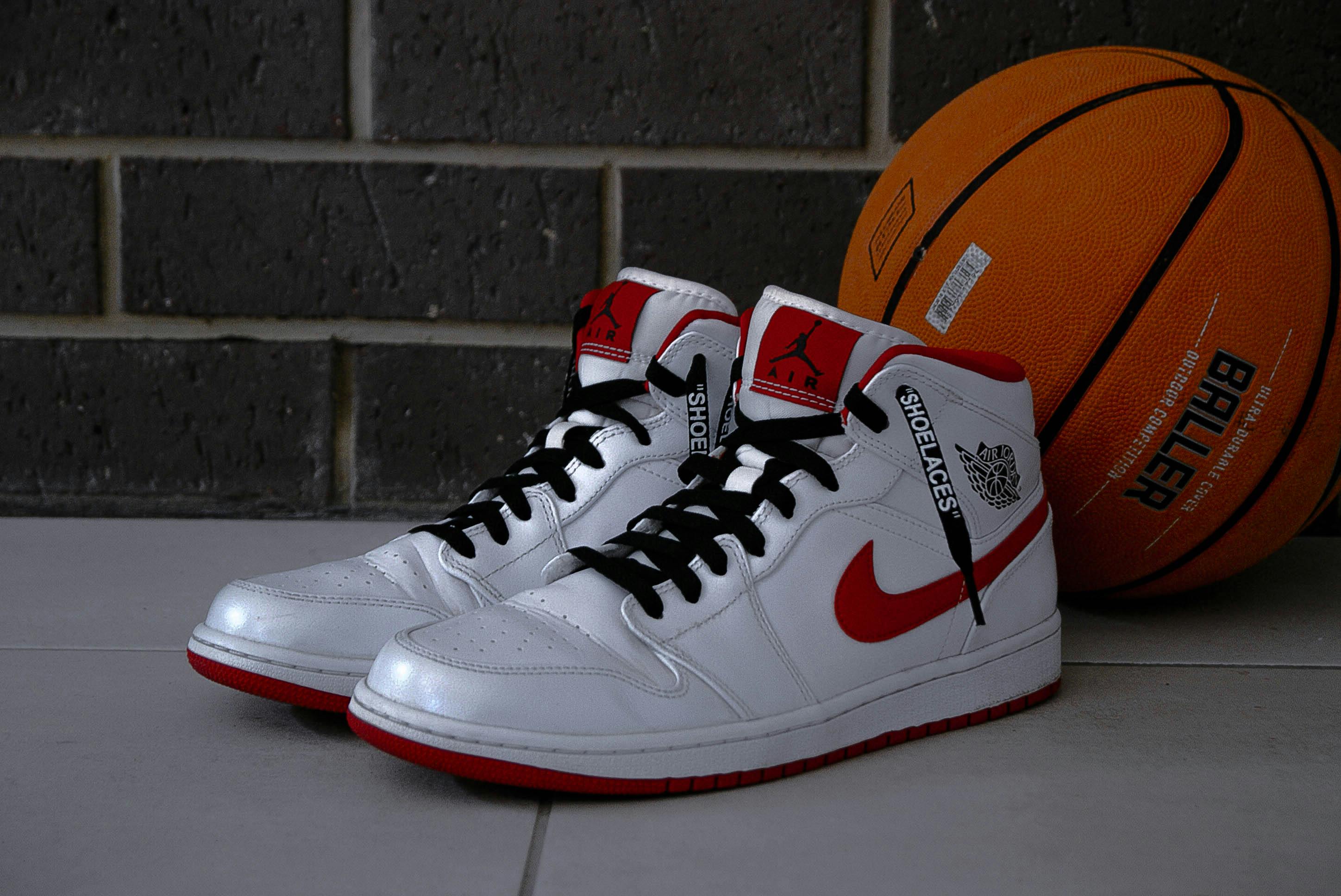
Most people presume shoe sizing is standard — a size 10 is a size 10. But any person who’s owned more than a few pairs of Jordans is aware that’s simply not true. The Air Jordan 1 uses a cupsole construction with a spacious toe box, while the Air Jordan nike air jordan 11 has a Phylon midsole with a narrower, court-ready fit. Material choices factor in heavily: leather stretches and conforms over time, while patent leather and synthetics remain rigid. The production year can affect fit — retro drops occasionally use different lasts than the original versions from the ’80s and ’90s. Even within the same model, different colorways using nubuck as opposed to tumbled leather can fit differently. Understanding these differences is the gap between a pair that feels tailor-made and one sitting unused in your closet.
How to Determine Your Feet at Home
To achieve the correct fit, you must have your real foot dimensions before reviewing any size chart. Fasten a plain sheet of paper to a hard floor, place your foot on it with your weight spread evenly, and have someone trace the contour with a pen positioned at 90 degrees to the floor. Measure the longest distance from back to front in centimeters — Nike uses centimeters as the foundation for size charts. Do both feet, because roughly 60% of people have one foot significantly longer than the other; make sure to choose based on the longer foot. Do this in the late afternoon, as feet expand throughout the day and can be 0.5 cm larger by bedtime. Include 0.5-1.0 centimeters to ensure proper breathing room. Note both dimensions — you’ll consult these numbers every time you buy Jordans online.
Silhouette-by-Silhouette Fit Guide
For most people, the Air Jordan 1 High OG goes true to size, but broader-footed people should want going half a size up. The Air Jordan 3 fits a bit big due to its wide toe box, so some buyers move half down. The Air Jordan 4 is a tough one — the TPU midfoot cage creates support that’s too tight for wider feet, making half a size up the go-to guideline. The Air Jordan 11 runs true to size, but patent leather won’t give, so move up if you fall between two sizes. The Air Jordan 5 runs true to size with standard width and pleasant tongue fit. For the Jordan 12 and 13, which employ more reinforced builds with Zoom Air, going with your normal Nike size is fine for average-width feet.
| Jordan Model | Fit Behavior | Suggestion | Width Comfort |
|---|---|---|---|
| Air Jordan 1 High OG | True to size | TTS / Half up for wide feet | Medium |
| Air Jordan 3 | A bit roomy | TTS or half down | Wide-friendly |
| Air Jordan 4 | Narrow midfoot | Half up for wide feet | Narrow |
| Air Jordan 5 | True to size | TTS | Medium |
| Air Jordan 6 | Somewhat narrow | TTS / Half up for wide | Medium-narrow |
| Air Jordan 11 | True to size | TTS / Half up if between sizes | Medium |
| Air Jordan 12 | True to size | TTS | Medium |
| Air Jordan 13 | Slightly roomy | TTS or half down | Wide-friendly |
The Importance of Foot Width
While length is what everyone checks first, width is in many cases the true cause behind unpleasant shoes. Baseline Jordans come in D width (medium), which suits the bulk of men. However, an estimated 25-30% of men have above-average-width feet, and for them, many Jordan silhouettes become uncomfortably snug across the forefoot even when the length is correct. If you have broad feet, look for silhouettes with relaxed builds: the Air Jordan 3, Jordan 13, or AJ1 Low provide more width in the toe box. Avoid models with restrictive overlays — the Air Jordan 4 and Air Jordan 9 are well-known for pain on wider feet no matter the size. Some niche stores provide select silhouettes in wide (2E) sizing, though stock is sparse to general-release colorways.
The Breaking-In Period
Most brand-new Jordans have a noticeable break-in period that improves the fit, so avoid judging them entirely on the feel straight out of the box. Leather-upper Jordans like the AJ1 and AJ12 usually require 5-7 days of daily wear before the leather softens and shapes to your foot. Synthetic and patent leather, found on the AJ11 and certain AJ4 editions, have negligible break-in because these fabrics remain rigid appreciably. Nubuck and suede uppers on the AJ4 and AJ5 sit somewhere in the middle — they soften a fair amount but won’t dramatically change shape. During break-in, use padded socks and limit sessions to a few hours. If a shoe is causing real pain out of the box, it’s the wrong fit — no break-in will remedy that.
Online Shopping Advice for Jordans
Buying Jordans online is often the only way for restricted drops, and getting the size right without a try-on calls for a methodical approach. Always check item descriptions for sizing notes — Nike often provides “runs small, order half size up” advisories for models known to have non-standard sizing. Read customer reviews looking for size-related remarks, especially from buyers who share their foot size details or contrast the sizing to other pairs you already wear. On aftermarket sites like StockX or GOAT, exchanges are generally not available, which makes getting the size right paramount — when in doubt, opt for the bigger size rather than down, because a somewhat spacious shoe can be enhanced with heavier socks or an replacement insole, while a too-tight shoe has no good solution. The Nike app’s Nike Fit feature uses your phone camera to measure feet and suggest sizes for particular styles, giving a useful data point to cross-reference with forum recommendations. Purchase from sellers with complimentary return shipping — Nike.com, Zappos, Nordstrom — for a cushion when experimenting with new models you have not experienced before.
Sock Choice, Returns, and Closing Tips
The sock type you choose influences fit more than most people realize. Ultra-thin no-show socks leave additional space that causes the heel sliding, while heavy basketball socks bring 2-3 millimeters of material that can take a snug shoe into discomfort. Mid-weight cotton crew socks are the optimal universal pick for most Jordan styles. For on-court wear, breathable athletic socks from Nike Elite or Stance improve both fit and comfort. When sizing your feet or doing a try-on, always wear the sock type you will use with your Jordans. As for sending them back: if your toes push into the toe end, the shoe is undersized — no break-in will help. Heel lift when laced tightly means it’s too long. Pain across the top of the foot suggests the shoe’s volume is inadequate. Most retailers offer 30-60 day return policies, and Nike members get a impressive 60-day wear-test period. Refuse to let sunk-cost bias keep you in shoes that don’t fit — returning and holding out for the correct size is without exception the smarter move.
For Nike’s official size charts and the Nike Fit feature, visit Nike’s sizing page.
0 Comments